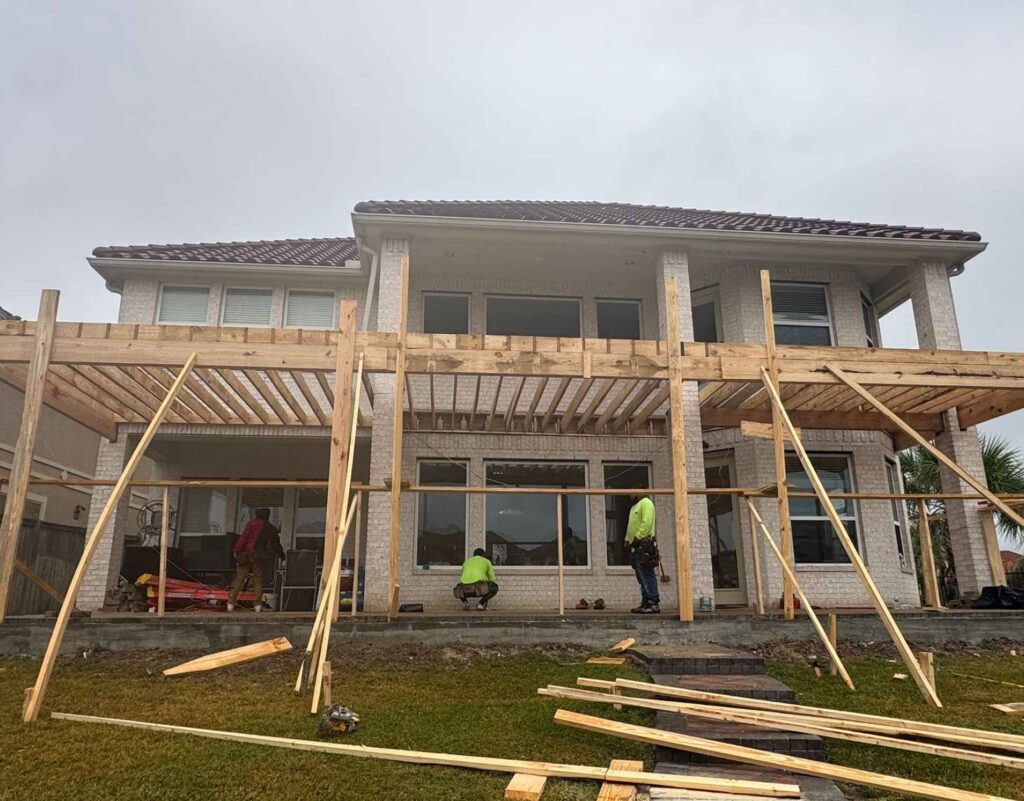
A sunroom serves as a unique bridge between the comfort of your home and the beauty of the outdoors, but its high glass-to-wall ratio makes it particularly susceptible to the elements. Because these structures are constantly exposed to direct sunlight and fluctuating temperatures, they require a specialized maintenance schedule to remain energy-efficient and structurally sound.
Neglecting minor issues in a solarium can quickly lead to expensive complications, such as frame warping or persistent leaks that damage your interior flooring. By understanding the specific warning signs of wear and tear, you can protect your investment and ensure this bright space remains a comfortable retreat year-round.
Identifying Seal and Weatherstripping Failure
The seals around your sunroom panels are the first line of defense against drafts and moisture, yet they are often the first components to degrade due to constant UV exposure. When these gaskets become brittle or cracked, they lose their ability to keep the outdoor humidity from seeping into your temperature-controlled environment.
- Check for visible gaps or peeling rubber around the edges of the glass panes where they meet the structural frame.
- Listen for whistling sounds during windy days, which indicate that air is bypassing the existing weatherstripping.
- Feel for localized cold or hot spots near the windows that suggest a significant thermal leak is occurring.
Replacing these seals at the first sign of trouble prevents the internal climate control system from working overtime and reduces your monthly energy costs.
Monitoring for Condensation and Foggy Panes
If you notice persistent fogging or “moisture clouds” trapped between the layers of double-paned glass, the insulated glass unit has likely suffered a seal failure. This internal condensation is more than just a visual nuisance; it means the insulating argon gas has escaped, leaving your sunroom vulnerable to the heat.
- Inspect the glass during the early morning hours when temperature differentials between the inside and outside are most pronounced.
- Look for mineral deposits or “water spots” on the inside of the glass that cannot be wiped away from either the exterior or interior surface.
- Watch for a distorted reflection in the glass, which can happen when the vacuum seal between the panes is completely lost.
Addressing foggy windows promptly restores the clarity of your view and returns the room to its intended level of thermal efficiency.
Addressing Roof and Gutter Integrity
Sunroom roofs, whether made of glass, polycarbonate, or traditional shingles, face intense pressure from heavy rainfall and falling debris. Because many sunroom roofs have a shallower pitch than the main house, they are more prone to developing standing water and leaks if the drainage system is compromised.
- Clear out gutters and downspouts every three to six months to prevent water from backing up under the roof flashing.
- Examine the roof panels for any signs of “pitting” or cracks caused by hailstones or falling branches during local storms.
- Look for water stains on the interior ceiling or support beams, which often signal that the sealant at the roof peak has worn thin.
Maintaining a clear path for water runoff is the most effective way to prevent the structural rot that occurs when moisture stays trapped against the frame.
Testing the Functionality of Moving Parts
Sunrooms often feature sliding doors, casement windows, and specialized ventilation tracks that can become clogged with dust, pet hair, or outdoor grit. When these mechanical components are forced to operate against friction, it puts unnecessary stress on the entire frame and can lead to misalignment.
- Clean and lubricate the tracks of sliding glass doors once a season to ensure they move smoothly without jarring the glass.
- Check the locking mechanisms to ensure they still align perfectly, as a house settling can sometimes shift a sunroom frame slightly.
- Verify that window cranks and hinges are free from rust and operate without requiring excessive physical force.
Smoothly functioning hardware not only makes the room easier to use but also ensures the space remains secure and airtight when closed.
Evaluating the Condition of the Exterior Frame
The structural skeleton of your sunroom, whether it is made of aluminum, vinyl, or wood, must be inspected for signs of environmental stress. High humidity can cause wood to rot, while extreme heat can sometimes lead to the expansion and contraction that loosens the fasteners holding the room together.
- Tighten any visible screws or bolts that may have vibrated loose over time due to wind or thermal shifts.
- Look for signs of corrosion or oxidation on metal frames, particularly in areas where water tends to collect after a storm.
- Inspect wood-framed sunrooms for soft spots or discolored patches that indicate moisture has penetrated the protective paint or stain.
Keeping the frame clean and well-maintained ensures that the massive weight of the glass panels remains safely supported for the life of the structure.
Ensuring Long-Term Comfort and Value
Taking a proactive approach to sunroom maintenance allows you to catch small problems before they evolve into major structural failures. By dedicating time each season to inspect the seals, glass, and drainage, you ensure that your sunroom remains the most inviting and efficient room in your home.
A well-cared-for sunroom adds significant market value and provides a unique sanctuary for relaxation and social gatherings. Investing in regular repairs today guarantees that you can continue to enjoy the beauty of the outdoors from the comfort of your climate-controlled space for years to come.