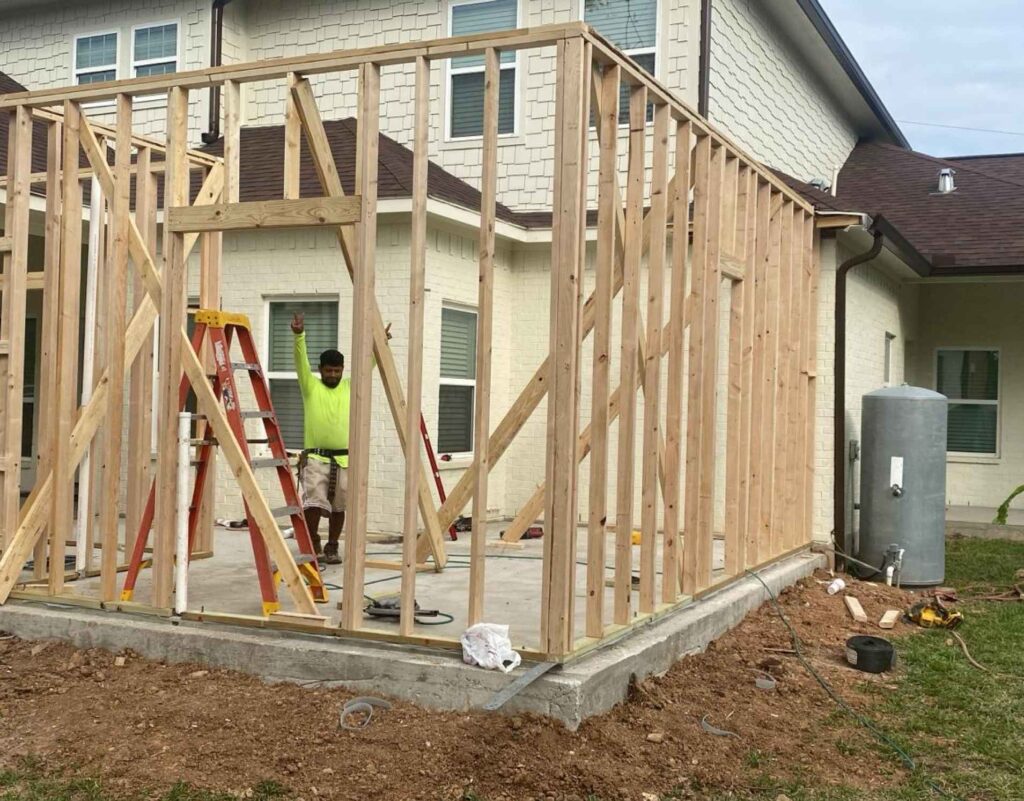
Accessory Dwelling Units, or ADUs, have become a transformative solution for South Florida homeowners looking to expand their living space while maintaining a commitment to sustainability. As energy costs and environmental temperatures continue to rise, these secondary structures offer a unique opportunity to implement the latest green building technologies from the ground up.
Building a new ADU allows for a level of energy precision that is often difficult and expensive to achieve through traditional home renovations. By focusing on modern construction standards, homeowners can create a compact, high-performance living space that reduces the overall carbon footprint of their entire property.
Advanced Insulation and Building Envelopes
New construction ADUs benefit from advanced building envelopes that act as a high-tech barrier against the intense Florida heat. Unlike older main residences, these units utilize modern spray foam or rigid board insulation that creates an airtight seal, preventing cooled air from escaping and hot humidity from entering.
- Implement high-R-value insulation in both the walls and the attic space to significantly reduce the workload on the cooling system.
- Utilize radiant barrier roof decking to reflect solar heat into the atmosphere rather than absorbing it into the structure.
- Choose light-colored roofing materials, such as white metal or concrete tiles, to lower the ambient temperature of the unit during the summer.
A tightly sealed envelope ensures that the interior remains a consistent, comfortable temperature without relying on constant air conditioning.
High-Performance Impact Windows and Solar Gains
In South Florida, windows are the primary source of heat gain, but new ADUs can be outfitted with the latest impact-resistant, low-emissivity glass. These windows are engineered to block out the majority of UV rays and solar heat while still allowing plenty of natural light to fill the compact space.
- Install argon-filled, double-paned windows that provide a thermal break between the tropical exterior and the chilled interior.
- Position windows strategically under deep roof overhangs or awnings to provide natural shading during the peak sun hours of the afternoon.
- Use specialized tints that reduce glare and heat without compromising the beautiful views of your backyard landscape.
Investing in high-quality glazing technology turns a potential thermal weakness into a major energy-saving strength for the unit.
Mini-Split Systems and Targeted Climate Control
Modern ADUs typically utilize ductless mini-split HVAC systems, which are far more efficient for small spaces than traditional central air units. These systems allow for precise temperature control and eliminate the energy loss associated with leaky or uninsulated ductwork found in older homes.
- Select units with high SEER2 ratings to ensure maximum cooling output for every watt of electricity consumed.
- Take advantage of the dehumidification modes that are built into modern mini-splits to manage the thick South Florida humidity.
- Place the outdoor condenser unit in a shaded, well-ventilated area to improve its operational efficiency and lifespan.
Targeted climate control ensures that energy is only used where and when it is needed, drastically lowering monthly utility bills for the occupant.
Smart Design and Passive Ventilation Strategies
The compact footprint of an ADU allows for “passive” design strategies that leverage natural airflow to reduce the need for mechanical cooling. By considering the direction of prevailing breezes, new construction can be oriented to facilitate cross-ventilation during the cooler months of the year.
- Incorporate vaulted ceilings and clerestory windows to allow hot air to rise and escape, naturally lowering the temperature at the living level.
- Install high-efficiency ceiling fans in every room to create a wind-chill effect that makes the air feel several degrees cooler.
- Use “stack effect” ventilation by placing openings at different heights to pull fresh air through the building without a fan.
Smart architectural choices allow the ADU to work with the local environment rather than fighting against it.
Sustainable Water Heating and Low-Flow Fixtures
Water heating accounts for a significant portion of a home’s energy use, but ADUs can utilize tankless or solar-powered water heaters to minimize this impact. These systems provide hot water on demand, eliminating the energy wasted by keeping a large tank of water hot twenty-four hours a day.
- Opt for electric tankless water heaters that fit easily into small closets or under sinks to save both space and energy.
- Integrate low-flow plumbing fixtures that reduce water consumption, which in turn reduces the energy needed to heat and move that water.
- Consider a small-scale solar thermal loop on the ADU roof to provide free hot water during the sun-drenched Florida days.
Efficiency in water usage is a critical component of a truly green Accessory Dwelling Unit, further enhancing the property’s overall sustainability.
Investing in a Future-Ready Property Foundation
Building an energy-efficient ADU is a strategic investment that pays dividends in both reduced operating costs and increased property resilience. These modern structures set a new standard for tropical living, proving that luxury and environmental responsibility can exist within the same footprint.
By embracing the latest in construction technology and sustainable design, you are creating a versatile asset that will remain efficient for decades to come. A high-performance ADU provides a comfortable, eco-friendly sanctuary that enhances the value of your South Florida home while respecting the local climate.