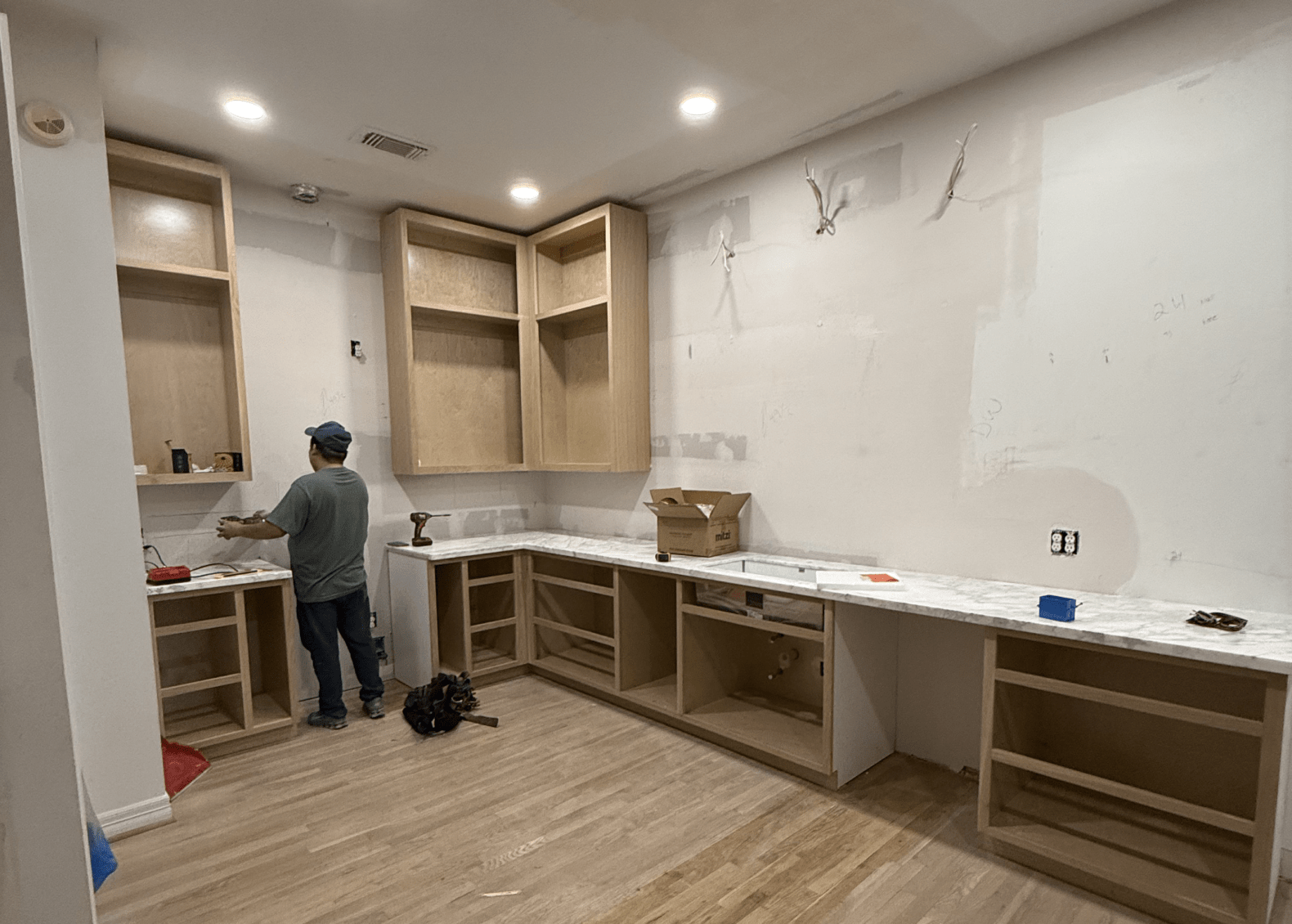
Homeowners often reach a crossroads where their current living space no longer aligns with their evolving lifestyle or family needs. Whether you are dealing with a cramped layout or outdated finishes, deciding between a comprehensive remodel and a structural addition is the most significant choice you will face.
The right decision depends on your long-term goals for the property and the specific limitations of your existing structure. By weighing the benefits of internal transformation against the advantages of physical expansion, you can ensure your investment delivers the maximum return on both comfort and value.
Maximizing Efficiency Through a Whole-Home Remodel
A whole-home remodel focuses on reimagining the space you already have, often involving the removal of interior walls to create an open-concept flow. This approach is ideal for those who love their current footprint but feel the layout is trapped in a previous decade.
- Optimize your existing square footage by converting underutilized rooms, such as formal dining areas, into functional home offices or playrooms.
- Update essential infrastructure, including electrical wiring, plumbing, and HVAC ductwork, to modern standards of safety and efficiency.
- Harmonize the design language of your home by applying consistent flooring and cabinetry throughout the entire interior.
This path allows you to revitalize every corner of your residence without the complexities of changing the building’s exterior envelope or foundation.
Gaining Critical Space with a New Home Addition
When your family has simply outgrown the current walls, a home addition provides the extra square footage necessary for long-term comfort. This is often the preferred route for adding specialized rooms like a master suite, a sunroom, or a secondary living area that requires its own foundation.
- Increase your home’s total market value by adding officially recognized bedrooms or bathrooms that move the property into a higher price bracket.
- Design a “bump-out” in the kitchen to accommodate a large island or a walk-in pantry that the original floor plan couldn’t support.
- Create a dedicated guest wing or multi-generational living space that offers privacy and independence from the main household.
Adding onto your home is the most direct way to solve a lack of space while allowing you to customize a new area from the ground up.
Analyzing the Budgetary Impact of Each Option
The financial scope of these projects varies significantly, with remodels often having lower entry costs while additions involve major structural expenses. Understanding where your dollars are going helps you allocate your budget toward the features that will impact your daily life the most.
- Account for the high cost of foundation work, roofing, and exterior siding when planning for a structural addition.
- Save on “soft costs” during a remodel by utilizing the existing structural shell and focusing your budget on high-end finishes.
- Factor in the potential for higher property taxes and utility bills that typically accompany a larger total square footage.
A strategic remodel can often make a home feel twice as large for a fraction of the cost of a physical expansion.
Considering the Timeline and Living Disruptions
Both projects require a significant time commitment, but the nature of the disruption to your daily routine differs. A whole-home remodel usually impacts the entire living area at once, whereas an addition can sometimes be built as a standalone shell before being “tied in” to the main house.
- Prepare for a temporary relocation or a “kitchen-less” lifestyle if you choose a comprehensive interior remodel.
- Benefit from a staged construction process with an addition, where the messiest work happens outside your current living walls.
- Coordination with local permitting offices is generally more intensive for additions, which can extend the pre-construction phase.
Choosing the option that fits your family’s tolerance for construction noise and dust is vital for a stress-free experience.
Evaluating Zoning Laws and Lot Restrictions
Your property’s physical boundaries and local zoning ordinances may ultimately decide for you. Many neighborhoods have “setback” requirements or lot-coverage limits that prevent you from expanding the home’s footprint outward.
- Review your property survey to see exactly how much room you have for a horizontal addition before you begin the design phase.
- Consider a “second-story addition” if your lot is too small to expand outward, though this requires a professional assessment of your foundation’s strength.
- Verify HOA guidelines, as some communities have strict rules regarding how much of your backyard can be covered by permanent structures.
In cases where lot space is at a premium, a whole-home remodel is often the only viable way to modernize your lifestyle.
Transforming Your Property Into a Forever Sanctuary
The choice between remodeling and adding on is an opportunity to tailor your environment to the unique needs of your family. Whether you choose to refine the beauty of your current layout or push the boundaries of your home’s footprint, the result is a space that truly works for you.Investing in your current property allows you to stay in the neighborhood you love while enjoying the luxuries of a modern home. By carefully selecting the path that balances space, budget, and design, you ensure your home remains a source of comfort and pride for many years to come.